Kids Dance Classes in Orlando: Ballet, Hip Hop and More
· 6 min read
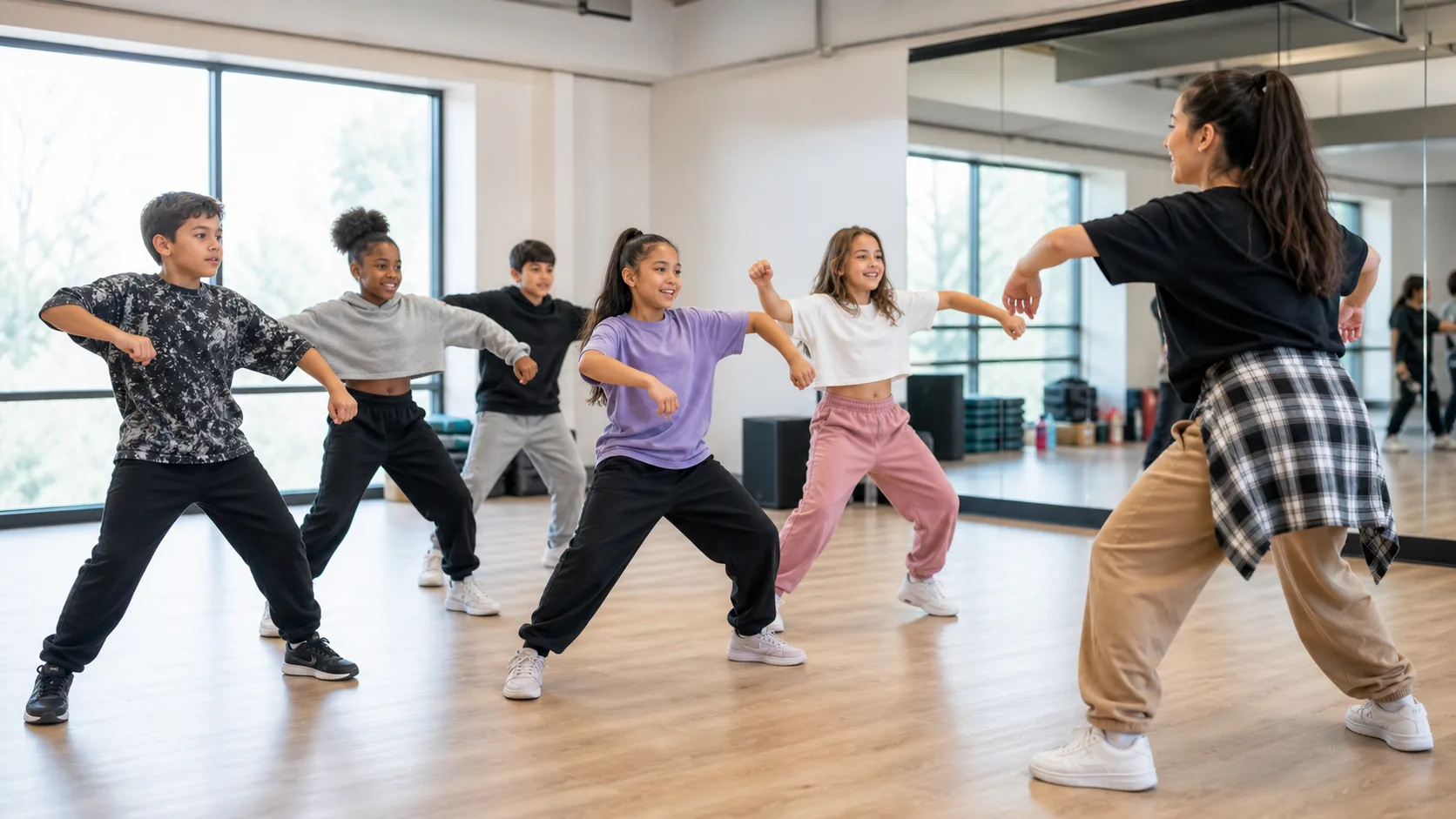
Orlando is a spread-out metro, and that shapes the search for a dance class more than most parents expect. A studio that looks perfect on paper can turn into a 40-minute round trip once you factor in I-4 traffic, school pickup, and after-work errands. Before you fall in love with a program, it helps to think through logistics, style, and fit together.
A child does not need the most intensive program to have a meaningful dance experience. A supportive beginner class can build coordination, confidence, and a genuine love of movement.
Start with the Orlando kids dance studio directory, then use this guide to compare local options with confidence.
Choose a Class That Fits Your Child
Think about your child's energy, comfort with new groups, and favorite ways to move. A cautious preschooler may prefer creative movement with a patient teacher. A rhythm-loving elementary student may enjoy tap or hip hop. A child who likes clear routines may connect with ballet, while a natural performer may be drawn to jazz or musical theatre — and Orlando, with its deep bench of working performers, has more musical theatre and performance-track options than most cities its size.
There is no single best beginner style. Trial classes and combination programs can help children discover what feels exciting before a family commits to a full season.
Orlando Dance Classes by Age
Toddlers and preschoolers
Toddler dance classes in Orlando may be listed as parent-and-child, creative movement, preschool ballet, pre-ballet, or ballet and tap combo. Classes at this age should focus on movement games, music, and following simple directions rather than formal technique. Look for shorter class times and a teacher who can redirect wandering attention without making anyone feel singled out.
Ask whether a caregiver participates and whether the teacher is comfortable with children who need time to warm up.
Elementary-age children
School-age beginners often have the widest selection. Ballet classes in Orlando become more structured at this age, with barre work, terminology, and progression through levels. Combo classes such as tap and jazz or ballet and hip hop are common, and they are a good way to find out what sticks before committing to a single style. Hip hop dance classes in Orlando vary in music, pacing, and performance expectations, so ask what a normal class looks like and whether the level is designed for beginners.
Tweens and teens
Older dancers usually split into recreational and competitive or pre-professional tracks. Competitive dance is a significant part of the culture in Central Florida, with many studios fielding teams that travel to regional and national events. Recreational and open-level classes still exist and can be a great fit for teens who want the activity and the recital without the larger commitment. A welcoming studio will place new dancers thoughtfully instead of assuming they have trained since preschool.
Plan for Orlando's Geography and Traffic
Orlando is not a single walkable downtown — it is a collection of distinct areas, from Dr. Phillips and Winter Park to Lake Nona, downtown, and the fast-growing suburbs toward Kissimmee. A studio five miles away on a map can still be a 30-minute drive at 5:30 on a weekday. Test the route at the actual class time, ideally more than once, since traffic shifts with tourist season and events near the parks and convention areas.
If you have more than one child, ask whether class schedules can be coordinated so you are not making two separate trips across town in the same evening. A slightly closer program can be the better choice when it helps your child arrive calm and attend consistently.
Plan for Summer Heat and Afternoon Storms
Central Florida's near-daily afternoon thunderstorms from roughly June through September can affect drop-off and pickup timing. Ask how the studio communicates closures and schedule changes — whether for a hurricane, a flood warning, or an ordinary storm cell rolling through at pickup — and whether missed classes can be made up. A studio with a clear text or email alert system will save you a lot of guessing during storm season.
Recreational or Competitive Dance?
Recreational classes usually meet once or twice a week, build toward an end-of-year recital, and do not require extra rehearsals or travel. Competitive programs ask for more: additional weekly hours, costume and entry fees, and weekend travel to competitions, sometimes across the state.
Neither path is automatically better. Most beginners can start recreationally and consider a larger commitment later if their interest grows. If you are unsure, ask whether dancers can move between tracks as their interest and your schedule change.
Families comparing options elsewhere in Florida can also read our Tampa kids dance guide and Miami parent guide.
Questions to Ask Before Registering
- Does the teacher regularly work with this age group?
- Is this a true beginner class?
- Is a trial or observation available?
- Is the recital required?
- What costs are not included in tuition?
- What is the weather and make-up policy?
- Is the program recreational, competitive, or audition-based?
- Is parking and pickup manageable at peak traffic times?
Clear answers are a good sign that the studio values family communication.
Understand the Full Cost
Ask for the complete seasonal estimate, including registration, tuition, shoes, uniforms, costumes, recital fees, tickets, and photos. Competitive programs add entry fees, travel, and additional costumes. Find out whether enrollment is monthly, session-based, or a school-year commitment, so there are no surprises in the spring.
What Should Kids Wear?
Follow the studio's dress code. Ballet may require specific leotard colors, tights, ballet shoes, and secured hair. Hip hop may require clean indoor sneakers. Acro and contemporary may call for bare feet or grip socks. Avoid buying specialty items until the studio confirms the exact style, color, and fit.
Orlando Parent Checklist
Look for:
- A beginner level suited to your child's age
- A teacher who communicates warmly and clearly
- A drive you can realistically make every week at class time
- A clear weather and closure communication policy
- Transparent tuition and performance costs
- Age-appropriate music, choreography, and costumes
- A child who feels proud and wants to return
Browse kids dance classes in Orlando, then contact your finalists to confirm current availability and policies.
Frequently Asked Questions
What age can children start dance classes in Orlando?
Creative movement and parent-and-child classes may begin around ages 2 to 4. Structured ballet, tap, jazz, and hip hop classes often begin around ages 4 to 7, depending on the studio's placement approach.
How much do Orlando kids dance classes cost?
Pricing varies by studio and program. Request a total estimate covering tuition, registration, shoes, costumes, recital participation, tickets, and competitive-team expenses before enrolling.
Is hip hop or ballet better for beginners?
Neither style is automatically better for beginners — it comes down to your child's personality and interests. Children who enjoy structure often connect with ballet, while high-energy kids may prefer hip hop, and many Orlando studios offer combo classes so beginners can try both.
How do Orlando dance studios handle summer storms and closures?
Policies vary, so ask directly how the studio communicates weather-related changes and whether missed classes can be made up. Given Central Florida's frequent afternoon storms, a studio with a clear alert system makes weekly logistics much less stressful.
How can I compare Orlando dance studios?
Use the KidsDanceMap Orlando listings to narrow options by location, style, and program type, then verify schedules, pricing, and trial policies directly with each studio.